Development
Backends that stay standing when traffic spikes.
APIs, databases and integrations built for reliability first. Your first endpoint runs in staging in week one.
- Node.js, PostgreSQL, Redis
- REST and GraphQL
- Security checked against OWASP
- SLA support available
Integrations
Connect, sync or build.
Most businesses run on a dozen tools that do not talk to each other. We connect them, keep their data in step, or build the custom API that sits in the middle.
- 1ConnectWire up existing tools so data flows one way, reliably.
- 2SyncTwo-way sync with clear rules for which system is the source of truth.
- 3BuildA custom API or service when off-the-shelf tools fall short.
What we build
The part users never see.
Everything behind the screen: the services that store your data, talk to your other tools, run the jobs nobody wants to do by hand, and keep working when a campaign sends ten times the usual traffic.
- 01
APIs
The interface your website, mobile app and partners use to read and write data. We design the endpoints around how they will actually be used, version them so old clients keep working, and publish documentation that lets another developer integrate without asking us.
REST and GraphQL · OpenAPI documentation · Versioned from day one
- 02
Integrations
Payments, CRMs, accounting, shipping and marketing tools connected so data moves between them without anyone retyping it. Every integration retries on failure, checks webhook signatures and logs what it did, so a dropped connection never silently loses an order.
Stripe, HubSpot, Salesforce, Shopify, Xero · Retries and webhook checks · Tools with no public API
- 03
Databases
A data model that matches your business, not a pile of tables added as needs arose. Proper indexes keep queries fast as records grow into the millions, migrations run without taking the site down, and backups are tested, not assumed.
Schema design and indexing · Zero-downtime migrations · Tested backups
- 04
Automation and jobs
The reports someone runs every Monday, the invoices chased by hand, the spreadsheet copied between systems. We turn them into background jobs with queues, schedules and alerts, so they happen on time whether or not anyone remembers.
Queues and background jobs · Scheduled tasks · Multi-step workflows
- 05
Security
Who can see what, enforced in code rather than policy. Sign-in through OAuth 2.0 or your identity provider, role-based permissions, rate limits on every public endpoint, encryption in transit and at rest, and a check against the OWASP API Top 10 before launch.
OAuth 2.0 and roles · Rate limiting · GDPR-ready data handling
- 06
Reliability
Caching for the requests that repeat, load tests before launch so we know the limits, and autoscaling for when a campaign lands. Logs, metrics and tracing are set up from the first deploy, with alerts that reach us before a customer notices.
Caching and load testing · Autoscaling · Alerts and tracing
Timeline
Working code in week one.
How a typical API or integration project runs. You see progress in a weekly demo, not a status report.
Week 1
Architecture sprint
Systems mapped, data model agreed, first endpoint in staging.
Weeks 2–3
Build with weekly demos
Endpoints and integrations built and shown working every week.
Week 4
Harden and launch
Load tests, security checks and monitoring, then live.
Under the hood
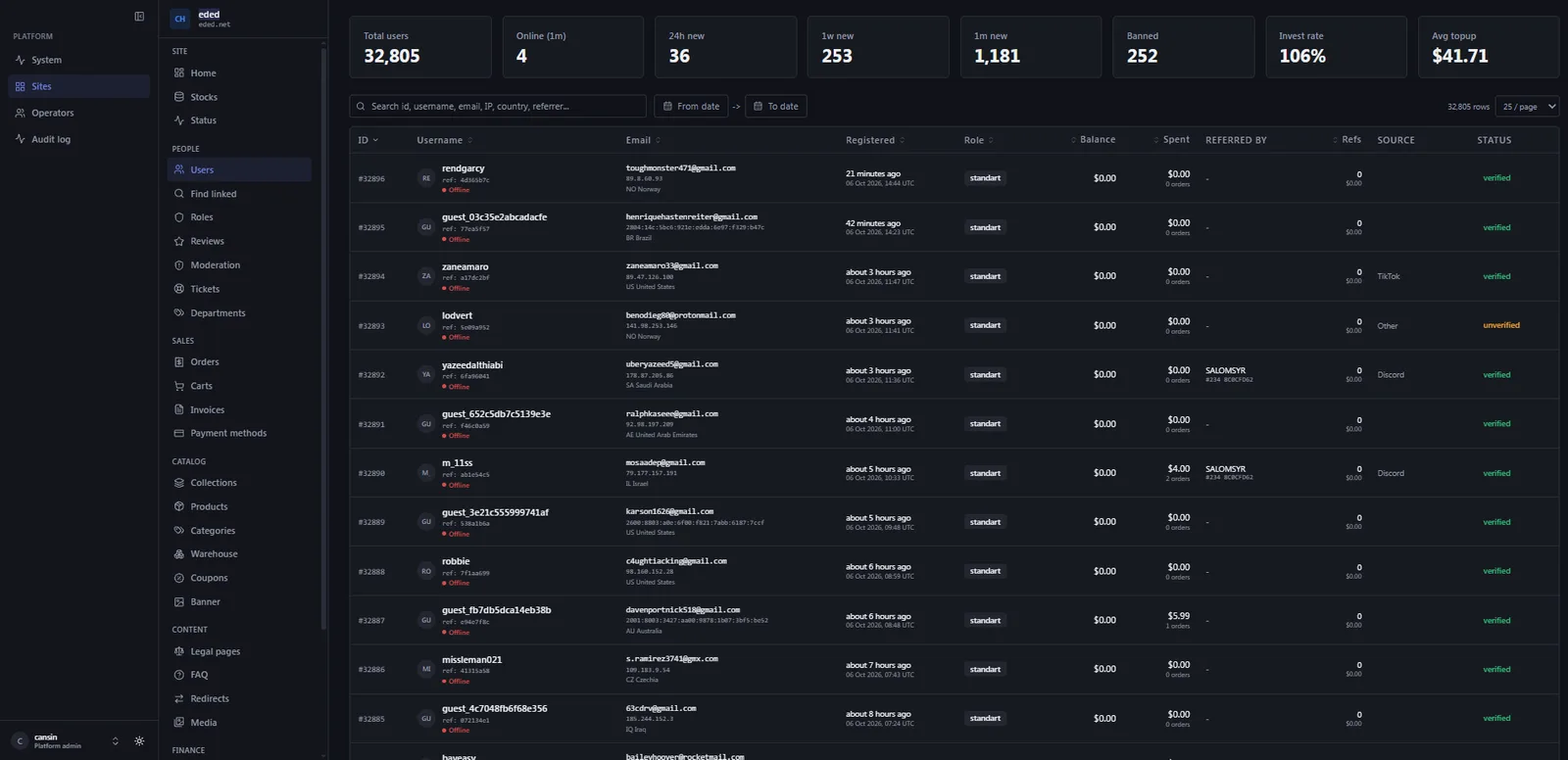
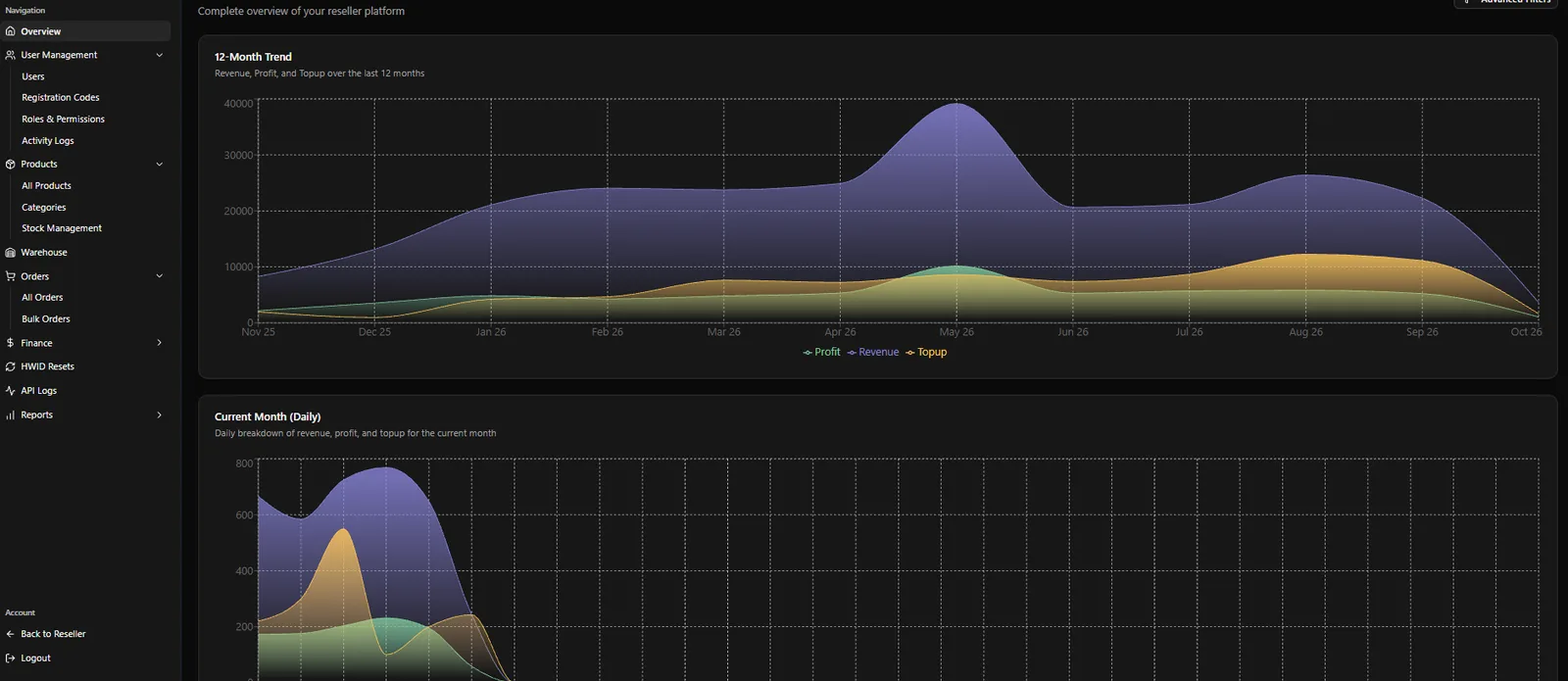
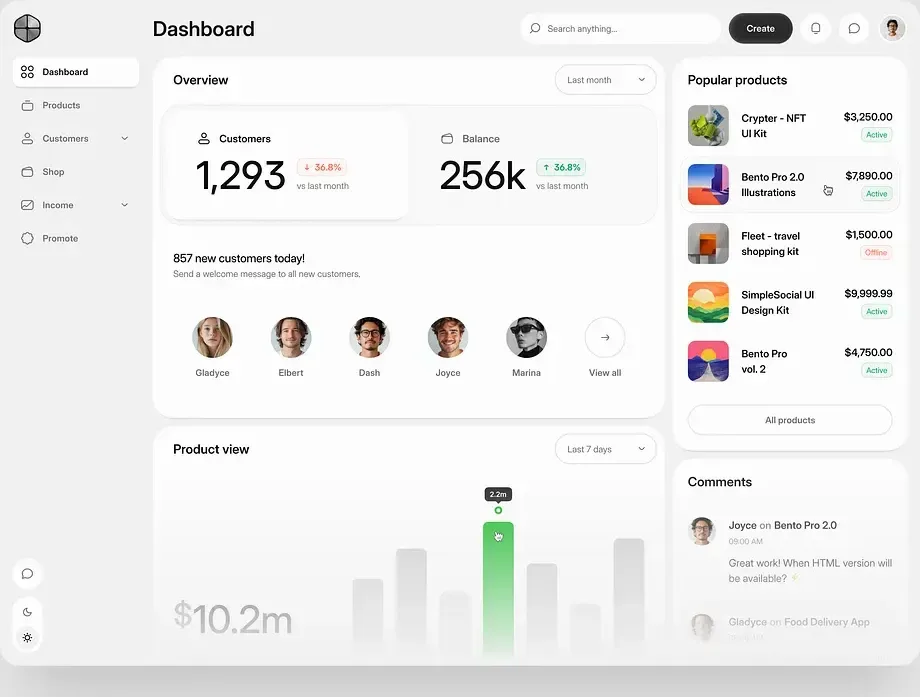
Documented, tested, monitored.
How we work
Built to be run, not just launched.
We design for the bad days, and leave you a system any developer can run without us.
How a project runs
Working code in week one, a demo every week after.
01Week 1
Architecture sprint
Systems mapped, data model agreed, first endpoint in staging by Friday.
02Weeks 2 to 3
Build with weekly demos
Hardest parts first, each shipped with tests and docs. You try it every Friday.
03Week 4
Harden and launch
Load tests, security review, monitoring and backups on. Then live, with a rollback plan.
04After launch
Operate and support
Runbooks, a recorded walkthrough and thirty days of fixes. SLA retainers available.
Why it matters
Nobody notices a backend until it fails.
Stays up under load
Caching, queues and autoscaling absorb the spike, not your customers.
No more data entry
Orders, leads and invoices move between systems on their own.
Customer data protected
Access control, encryption and audit logs from the start.
Grows with you
The next feature builds on what exists instead of starting again.
Standards we build to
In every quote.
- Uptime
- 99.9% target in your SLA
- Security
- OWASP API Top 10, encrypted in transit and at rest
- Access
- OAuth 2.0 and role-based permissions
- Tests
- Unit, integration and contract tests on every change
- Releases
- Automated pipeline with preview and rollback
- Monitoring
- Logs, metrics, tracing and alerts from day one
- Support
- Thirty days included, SLA retainers available
What you get at handover
- Code in your repository
- Infrastructure in your cloud account
- OpenAPI docs and a Postman collection
- Runbooks for common tasks
- Dashboards and alerts
- A recorded walkthrough
A system that falls over, or tools that do not talk? Let us look.
Book a callBackend Development questions
It depends on the number of systems, the data involved and the reliability you need. We map it on a call and send a written quote before any work starts.
Your first endpoint runs in staging in week one, and you see progress in a demo every week after that.
REST suits most integrations and public APIs. GraphQL helps when apps need flexible queries across lots of related data. We often use both.
If a no-code tool covers it reliably, use it, and we will tell you so. Custom integrations make sense when you need volume, complex logic, two-way sync or tighter security.
Payments, CRMs, ERPs, accounting, e-commerce and messaging tools such as Stripe, HubSpot, Salesforce, Shopify, Xero and Slack, and older systems without a public API.
We agree which system is the source of truth for each type of record, and use unique IDs, retries and conflict rules so the same record is never created twice.
Yes. We migrate in stages, run the old and new systems side by side, and switch over once the data matches.
Yes. Support retainers with an SLA are available, including monitoring, alerts, updates and a 99.9% uptime target.

Need a backend you can trust?
Book a call and tell us what it has to do.
Free call. No obligation.